-
 IELTS Topic: ENVIRONMENT
Reading 3
To save some species, zoos must let others die
Original source: The New York Times

With fluorescent yellow eyes and tufts of hair sticking straight up behind their ears, Bonner and Etienne look like slightly crazed old men.
These riotous and chatty lemurs once ranged across eastern Madagascar.
Now scores of these black-and-white ruffed lemurs are being bred here at the St. Louis Zoo as part of a broader effort to prevent their extinction.
But Ozzie, a lion-tailed macaque, will never father children. Lion-tails once flourished in the tops of rain forests in India. Though there are only about 4,000 remaining in the wild, not one among Ozzie’s group here in St. Louis will be bred. American zoos are on the verge of giving up on trying to save them.
As the number of species at risk of extinction soars, zoos are increasingly being called upon to rescue and sustain a wide variety of mammals, frogs, birds and insects whose populations are suddenly crashing.
To conserve animals effectively, however, zoo officials have concluded that they must reduce the number of species in their care and devote more resources to a chosen few. The result is that zookeepers are increasingly being forced into making cold calculations about which animals are the most crucial to save.
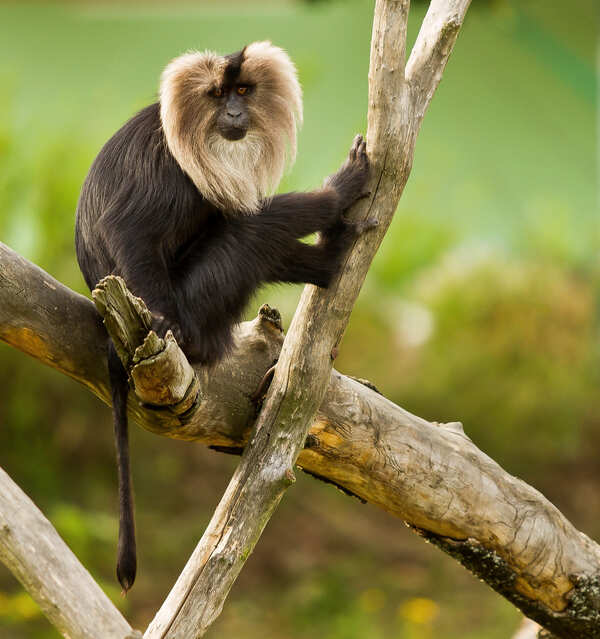
St Louis Zoo is giving up its breeding program for lion-tailed macques to concentrate on saving other species.
Source: Jana Vodickova/Shutterstock
… zookeepers are being forced into cold calculations about which animals to save
The lemurs at this zoo are being saved in part because of a well-financed program to rescue rare fauna of the island nation of Madagascar. By contrast, although St. Louis has kept lion-tailed macaques since 1958, other zoos started getting rid of them in the 1990s because they can carry a form of herpes deadly to people.
If there are criticisms, they are that zoos are not transforming their mission quickly enough from entertainment to conservation.
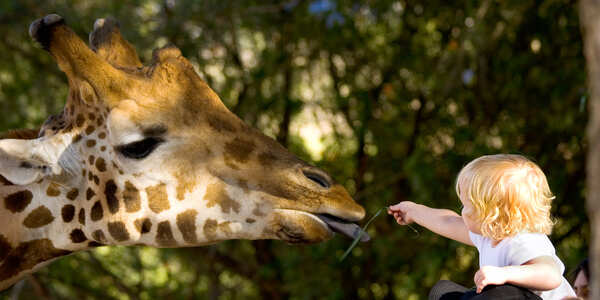
Some scientists believe that zoos need to change their focus from entertaining people to breeding endangered animals.
Source: David Pruter/Shutterstock
“We as a society have to decide if it is going to be ethically and morally appropriate to simply display animals for entertainment purposes,” said Dr. Steven L. Monfort, the director of the Smithsonian Conservation Biology Institute, part of the National Zoo in Washington. “In my opinion, that model is broken. There needs to be an explicit role for zoos to champion species.”
Dr. Monfort wants zoos to raise more money for the conservation of animals in the wild and to make that effort as important as erecting better enclosures for their captive collections.
And he says less emphasis should be placed on animals that are popular attractions but are doing fine in the wild, like African elephants and California sea lions; they should be replaced with animals in desperate need of rescuing.