-
 IELTS Topic: FAMILY
Reading 2
Lessons from the school of hard knocks
Original source: The New York Times

In his book, ‘How Children Succeed’, Paul Tough sets out to replace the assumption that success today depends primarily on cognitive skills with what might be called the character hypothesis: the notion that non-cognitive skills, like persistence, self-control, curiosity, conscientiousness, grit and self-confidence, are more crucial than sheer brainpower to achieving success.
“Psychologists and neuroscientists have learned a lot in the past few decades about where these skills come from and how they are developed,” Tough writes, and what they’ve discovered can be summed up in a sentence: Character is created by encountering and overcoming failure.
Character is created by encountering and overcoming failure
Tough explains why American children from both ends of the socioeconomic spectrum are missing out on these essential experiences.
The offspring of affluent parents are insulated from adversity, beginning with their baby-proofed nurseries and continuing well into their parentally-financed young adulthoods. And while poor children face no end of challenges — from inadequate nutrition and medical care to dysfunctional schools and neighbourhoods — there is often little support to help them turn these obstacles into character-enhancing triumphs.
The book illuminates the extremes of American childhood: for rich kids, a safety net drawn so tight it’s a harness; for poor kids, almost nothing to break their fall.
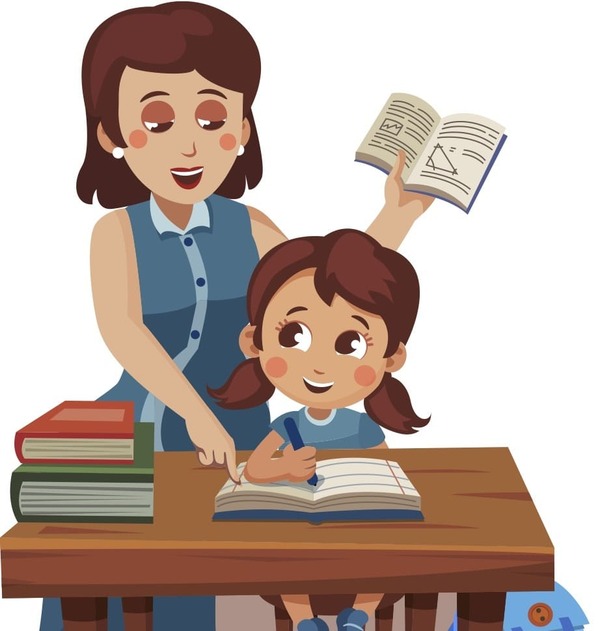
Children from affluent families receive, in general, a lot more assistance from their parents than those from poorer neighbourhoods. But that may be more hindrance than help.
Source: Kastoluza/Shutterstock