-
 IELTS Topic: ADVERTISING & MARKETING
Reading 3
Junk food ad bans could force deep cuts on TV stations
Original source: The Guardian

British television channels could be forced to make cuts of more than £200m to their programme budgets if the government pushes ahead with plans to impose a blanket ban on junk food advertising.
In a further blow to a crisis-hit media industry, ITV would lose about £100m of income if a 9pm, pre-watershed ban is implemented, according to television industry estimates.
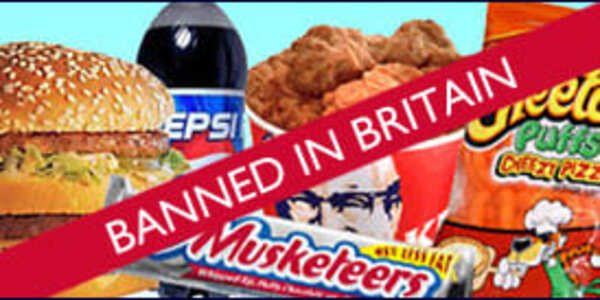
A ban on all junk food advertising on TV has been proposed by the British Government. Prescott/ Perezfox.com
Channel 4 has estimated that it would lose £40m annually – almost a tenth of its now drastically reduced annual programming budget. Such a move could boost competing subscription services such as Netflix, which do not rely on advertising.
Broadcasters are waiting to see details of the government’s plans before setting out their responses, although a particular concern is that any restrictions on broadcast television – which has struggled to attract younger audiences – should be accompanied by equivalent regulation of online advertising on YouTube and Facebook.
Channel 4 estimates that it will lose … almost a tenth of its already drastically reduced annual programming budget
Television executives also doubt that a ban would have the desired effect. They point out that the government’s own recent impact assessment suggested the ban would result in the average child’s calorie consumption being reduced by a negligible amount: just 1.7 calories per day.
Multiple governments have made attempts over more than a decade to restrict junk food advertising on television, only to struggle with the detail of such a ban.
Michael Grade, the former chief executive of Channel 4 and ITV, said on Friday that he has never seen any evidence proving that a blanket ban on junk food advertising has reduced a nation’s waistlines. He said that, if the plans are implemented, the government must be prepared to drop them if they don’t work.
“I do understand there is an obesity crisis but the jury is out on the government’s action. What I wouldn’t like to see is for a ban to stay in place indefinitely. They need to look at it in two or three years’ time and see if it has any effect.”