-
 IELTS Topic: ADVERTISING & MARKETING
Reading 2
Gambling restrictions an assault on free speech
Original source: Crikey

If gambling advertising is so unpopular says Bernard Keane, then consumers should vote with their feet. Nanny state regulations are just another assault on free speech.
It’s not a pleasant duty to stand up for the rights of the gambling industry, even if the harm inflicted on society by gambling is the subject of much hype and handwringing. Gambling is, mostly, a voluntary tax on stupidity. But supporting free speech is only authentic when you support the speech of those you disagree with.
Gambling is, mostly, a voluntary tax on stupidity
The government, it appears, is hell bent on further restricting sports advertising on television. The main proposal is a ban on gambling ads during live match broadcasts — the prime real estate for gambling companies.
Unsurprisingly, the free to air networks are trenchantly opposed — gambling ad revenue is one of the few growth areas in a market where revenue is flatlining. The major sporting codes are understandably also opposed: the amount that TV networks can pay for the broadcast rights of their sports depends on ad revenue, and significantly cutting ad revenue means less money for broadcast rights.
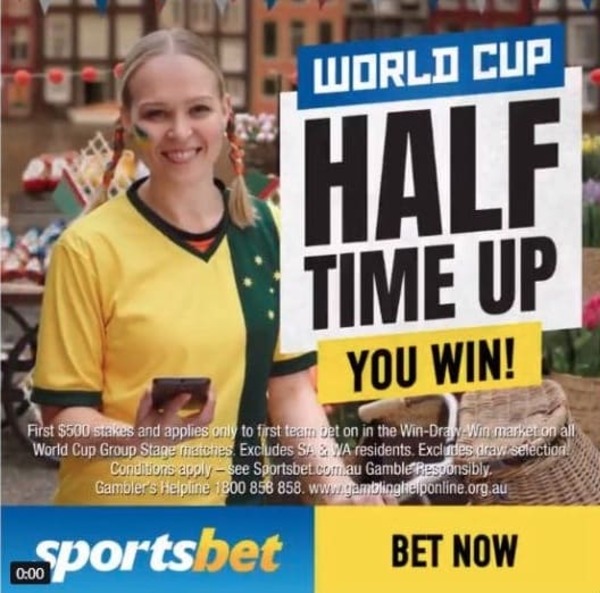
As the codes have correctly noted, Australia can legislate all the nanny state nonsense it likes against gambling but it won’t affect offshore gambling sites one iota. The result is to simply encourage Australian gamblers to go to those offshore websites and not Australian ones, which pay Australian taxes and are better regulated. Every attack on gambling sites in Australia simply means more money for foreign gambling sites and less revenue for Australian governments.
(TV ad bans) will simply encourage Australian gamblers to go to offshore websites instead of Australian ones
If consumers don’t like the ads, then they can boycott the product, stop gambling and stop watching sport until the TV networks respond to the market signal.
But Australians gamble — a lot. There’s a gap between stated and revealed preference here — the twenty billion-plus dollars we lose gambling each year belies the objections to gambling ads that so many people seem to have.